
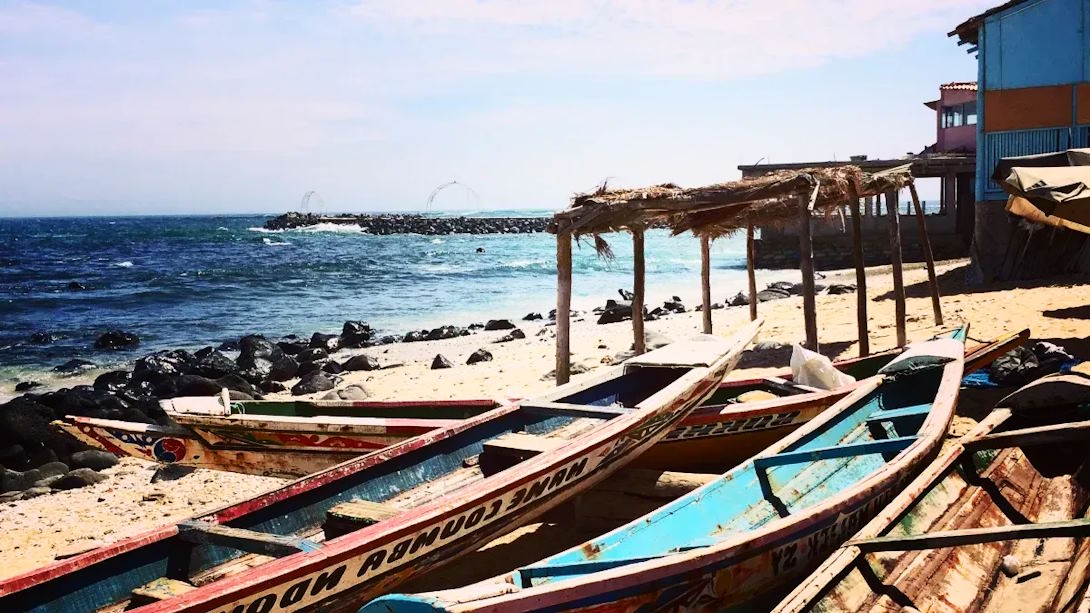
Dakar is a vibrant city and capital of Senegal. This city is overflowing with rich culture, extraordinary scenery, and history. Whether you are history beige, a foodie, or a beach fan and searching for the new cooking adventures, definitely, Dakar has something offered for every individual. From the iconic landmarks to secret gems, here is a useful guide to navigate the must-see destinations in Dakar and pitching into its exciting heritage.
Exploring the must-see destinations in Dakar
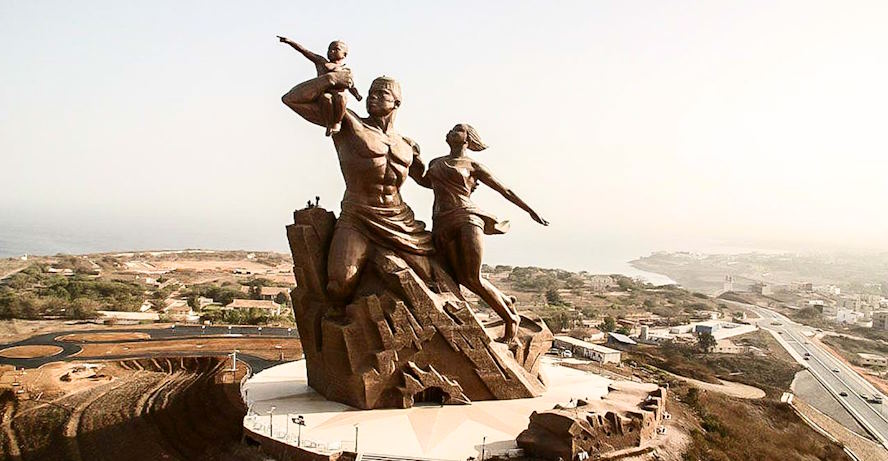
Dakar is a home to the plentiful must-see destinations that expose the rich cultural diversity and history of this city. One such pulsating landmark is the attractive African Renaissance Monument, which is standing tall at 49 meters, and represent the appearance of Africa from the bothered past into an optimistic future. This monument provides wonderful sightseeing of the city and the Atlantic Ocean is making it an ideal place for both sightseers and photographers in a similar way.
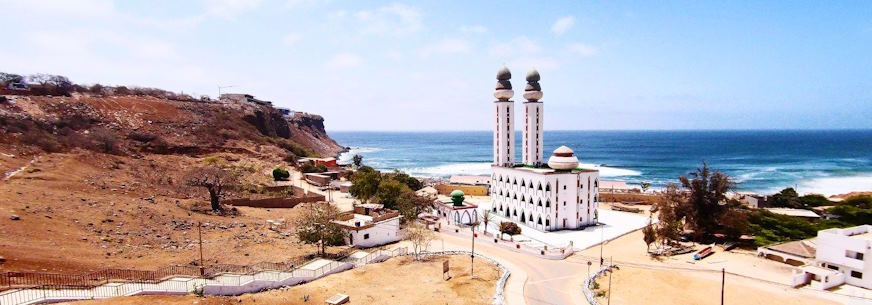
Another energetic place is the Dakar Grand Mosque, which becomes an architectural miracle decorated with convoluted tile work and towering minarets. Even the visitors can discover the serene interior of mosque and also learn about its importance in Senegalese religion and culture. Especially for history fanatics, the House of Slaves on Gorée Island is a must-visit spot. This UNSECO World Heritage place serves as a touching souvenir of Senegal’s dark past as well as the transatlantic slave trade. The guided tours provide insights into the tormenting experiences of locked up Africans and the flexibility of the human strength.
Dive into Dakar’s vibrant heritage
If you really want to immerse yourself in the energetic heritage of Dakar, you just take a wander via the busy streets of the Medina, where the traditional markets called as Marches that provide a wide range of textiles, spices, and handicrafts. Even the sample delicacies such as Senegal’s national dish, thieboudienne or a single sip on refreshing bissap juice are purely made from the hibiscus flowers.
The art fanatics won’t want to miss and dive into Dakar’s vibrant heritage; because it is fully jammed with an innovative hub that exposes the works of craftsmen, sculptors, and local painters. Also, the village des arts are a must-seeing place for artists. If you stroll through the open-air galleries, it is packed with striking sculptures, and impressive colors, or just chat with the artists on their techniques and inspirations.
Navigating Dakar’s must-visit spots
If you want to spend most of your time in Dakar, you are simply navigating Dakar’s must-visit spots and also consider hiring the local guide who can give insider knowledge and assist to find the active streets in a simple way. Thus, Dakar offers a truthfully memorable experience for travelers.